

Bunk Bed in Middle of Room
Bunk beds are a great addition to a shared room for kids. They are fun and add a focal point to the bedroom.
Bunks can work well in rooms with architectural nuances like sloped ceilings, or for large bedrooms that can accommodate the stacked arrangement. To ensure small double mid sleeper of bunk beds, it is important to adhere to a few design guidelines.
Storage
There are many creative ways to organize things in bunk beds. This will keep them off the floor and away from view. A shelving unit is an easy and cost-effective option to store books, decorative items, or things that are normally put away on nightstands or dressers. Built-in closet systems can also be a great method to expand the storage space in your bunk bed. They can be designed to coordinate with your bedroom decor and offer the perfect spot to hang clothes or put away linens and toys.
Consider incorporating shelves on the sides of your bunk bed for an elegant solution. These shelves are an ideal place to store your bedside lamps, alarm clocks and other essentials that are otherwise piled up on the floor or in dressers. They can also be used to display favourite framed photos and small items. You can also consider putting storage drawers on the stairs of your bunk bed. They are ideal for shared bedrooms as they allow each person to store their personal belongings in a convenient spot without compromising safety or quality of the staircase.
If you do not want to tackle an DIY project, you can buy ready-made drawers that can be fitted to any bunk beds. These drawers are a great way to maximize the space under your bunk bed. They can be purchased at home improvement stores or online retailers.
You can also incorporate storage into your bunk bed by putting in cubbies into one wall, such as in this whimsical shared bedroom. They are ideal to store backpacks, shoes or blankets to keep them from cluttering up the rest of the room. You can also hang hooks along the walls to hang coats, hats, and other accessories.
Flow
While traditional bunk beds are set against the wall This bunk bedroom concept placed in the middle of the room lets you to keep your kid's bedroom design open. You can also make use of the space beneath to store items in your bedroom with clever drawers and shelves. This is a fantastic solution for smaller spaces, because it lets you make use of the floor space to store other furniture in your bedroom or to create an enjoyable playroom.
It's important to note that when you place bunk beds in the center of the room, you need to pay attention to how the flow of traffic throughout the space will be affected. Make sure there are large walkways to move from one end of the bed to the other side, and that the room is equipped with access to closets as well as doors. You might also think about adding a rug to anchor the room and create a focal point.
If you are concerned about safety, also consider the placement of the bunk beds in relation to the other furniture and the ceiling. You'll want to make sure that the distance between the top bunk mattress and the ceiling isn't more than 24 inches and that the distance between the lower bunk mattress and the ceiling is no more than 16 inches.
The frame of the bunk bed and the way it's connected to the wall are the primary factors that determine whether or not they'll move. Our bunk beds are tested and verified for stability and safety using ASTM standards and quality control. A slight jiggle is normal and doesn't impact stability.
If you're concerned about your kids sleeping in close proximity it's recommended to think about buying a futon bunk that provides each child with an individual space for sleeping and a separate ladder. This will help prevent disputes over who gets to sleep in the top bunk. It's also a good idea to provide your kids with ladders or steps that are comfortable for climbing up and down the bunk, and to place a nightlight close to them for better visibility.
Design
Bunk beds are a great way for children to maximize their space in a shared room. These bed arrangements can be available in a range of sizes and configurations, such as twin over full and queen over twin and even king over queen that makes them a great option for bedrooms with shared spaces.
If it is placed in the middle of the room, a bunk bed creates an attractive focal point for the space. A bunk bed that is placed in the middle of a room will also help define an area for furniture such as tables, workstations and chairs. When paired with an attractive accent either on the wall or in a window seat the arrangement can provide a cozy spot for kids to relax and have fun.
Whether dressed in playful bedding or sporting memorabilia, bunks can be outfitted to reflect the personality of the children who be sleeping in them. In this bunk room the combination of wood and metal bunks with sleek lines compliment modern interiors. While patterns and bright pillows lend an eclectic feel, the bunks clean lines and functional storage create a cohesive appearance.
This lakefront bungalow has a pair twin over full bunk beds that provide an efficient and simple space for children to sleep and play. The beds feature a mix of wood and white shiplap, and the linens are all blue to echo the color scheme of the room. The bunks' built-in niches provide a smart place to store books computer equipment, computers, or alarm clocks. A bright blue trunk adds color to the corner.
If you have enough floor space, a bunk bed in the middle of the room can create a cozy reading area for two kids. The bunk arrangement features two twins that are identical and an inbuilt staircase that leads to the higher bed. The upper bunk is outfitted with a comfy upholstered headboard and privacy curtains to make sleeping on top feel like a swanky retreat.
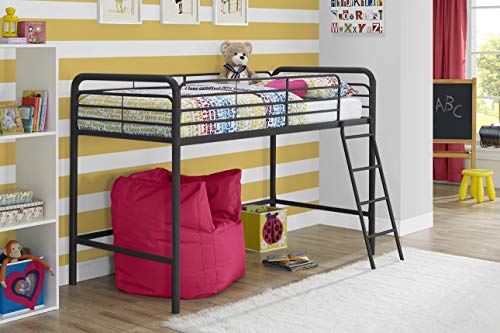
If you're hesitant to position a bunk bed in the middle of your room, use rooms dividers or other elements to create an airy space that feels intentional and purposeful. For instance, a big area rug can be used as a half-wall to create a barrier between the beds and a sitting or activity area.
Safety
Bunk beds in the middle of a room may be a fun design feature, but they aren't without dangers to safety. Parents should monitor their children's sleeping, especially on the top bunk and show them how to use bunk beds safely. Most injuries to bunk beds result from improper use, not a bunk bed's structural design. Bunk bed injuries can be avoided through regular maintenance and supervision.
The guardrails on a bunk bed must be high enough to prevent your child from falling off the bed. The height of the lower bunk should not exceed 30 inches from the floor. The top bunk should have at least 5 inches of space between the mattress and the guardrail.
Make use of the tools provided by the manufacturer to ensure the best results. Do not attempt to modify or substitute components, as they may cause structural damage. Once the bed is assembled you can gently shake it to test its stability. Any instability may indicate that the connections must be strengthened or tightened. Make sure the mattress platform is a tight fit and doesn't allow sagging, which could compromise the strength of the ladders or guardrails.
It is also essential to teach your children how to use the ladder properly. Ladders are only meant to be used to climb up and down a bed. They shouldn't be used for roughhousing or play. This increases the risk of injury. It's also a good idea to set up a night light near the ladder so that your children can see whether they're climbing up or down at night.
It is also essential to keep the area surrounding the bunk bed free of items that can cause harm, such as ropes, scarves, belts and belts. These could strangle children or create other hazardous situations. Bunk beds should also not be set up in a manner that blocks doors or windows that are designed for escape in an emergency. midi bunk bed could increase the severity of any injuries resulting from falling through a window or being trapped in a closed area.